Conference Sessions & Speakers
Keynotes & Plenary Sessions
KEYNOTE SESSION: DAY 1
Bearing Witness Without Carrying It All
Presented by Maria Bryan | October 26th | 11:30 AM| Ballroom
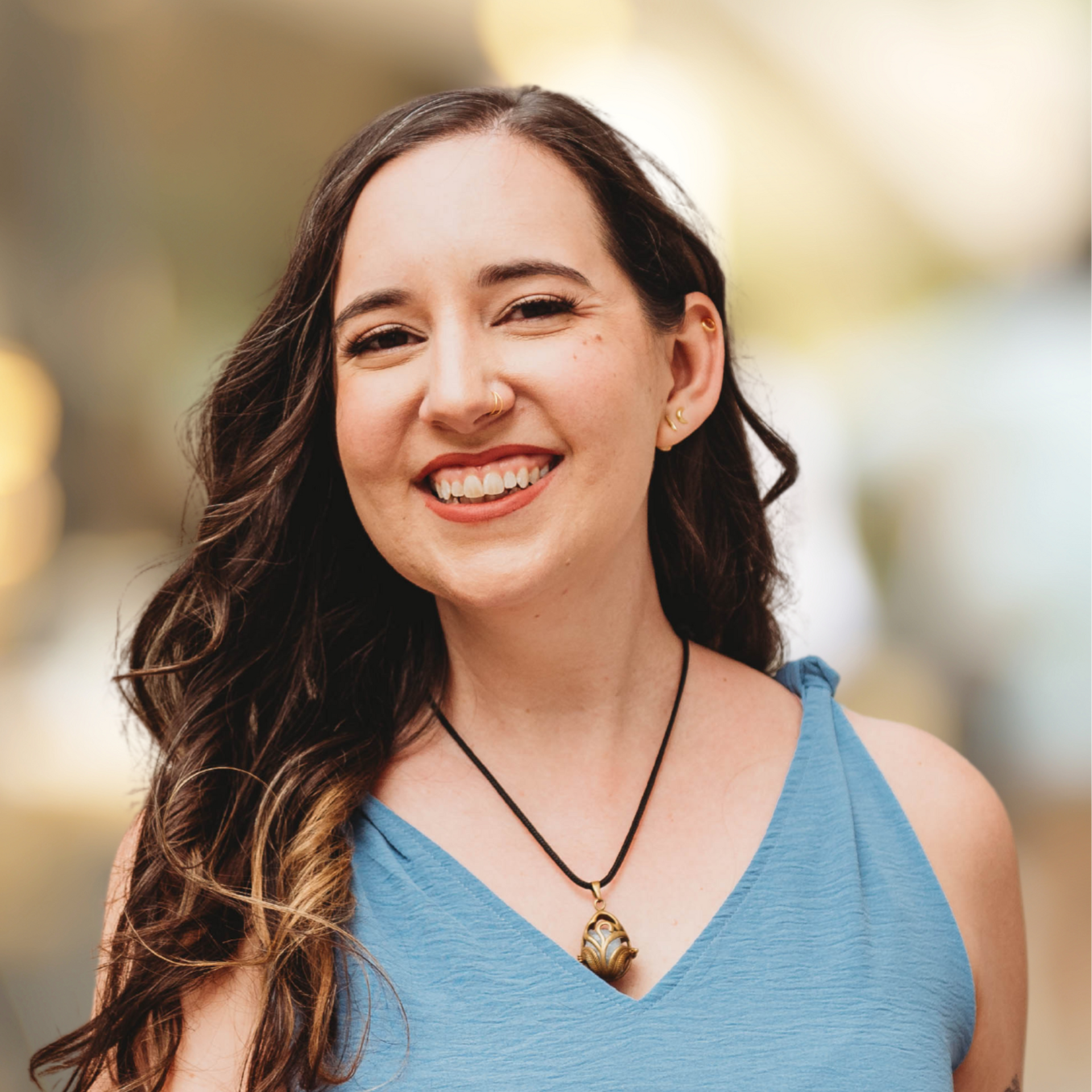
Michigan CASA staff, volunteers, board members, and child-welfare partners are often asked to hold difficult stories. Some are shared in courtrooms, homes, meetings, training sessions, fundraising conversations, and in moments of trust. This morning's keynote will offer a grounding, accessible introduction to what it means to bear witness in a trauma-informed way. We’ll explore what it means to be trauma-informed, and how we can listen with care without taking on the role of carrying what is not ours to carry. Participants will reflect on how they listen to others’ stories, how they tell their own stories, and how they share stories about children, families, and communities with dignity and care. This session will be interactive, reflective, and welcoming to learners of all levels. Participants will leave with a stronger understanding of how to hold space, honor boundaries, recognize the emotional weight of this work, and remain connected to the shared purpose behind CASA’s mission.
CEU & SCECH Eligible
About Maria Bryan
Maria Bryan is a trauma-informed storytelling trainer. She hosts the When Bearing Witness® podcast and facilitates the When Bearing Witness® Trauma-Informed Storytelling Program.
Maria’s work helps nonprofit leaders tell impactful stories that resist harm. Over the past 18+ years in the nonprofit and public sector, Maria has trained thousands, focusing on trauma-informed storytelling and purpose-driven marketing.
Her learning lineage spans an MPA, a Journalism BA, and professional certifications in Trauma & Resilience, Trauma-Informed Space Holding, Trauma-Informed Coaching, and Somatic Embodiment & Regulation.
Maria is a firm believer that storytellers make the world a healthier, safer, cleaner, and happier place.
KEYNOTE SESSION: DAY 2
Connections That Last: Building Belonging, Identity, and Lifelong Relationships for Adopted Persons
Presented by Dr. Tony Hynes | October 27 | 8:30 AM | Ballroom
As trusted advocates, CASA volunteers play a unique and lasting role in helping children experience connection, belonging, and stability during some of the most challenging times in their lives. Their relationships, advocacy, and commitment can have a profound impact on a child's sense of identity and hope for the future. In this inspiring keynote, Tony Hynes, PhD will explore the lifelong importance of connection for adopted persons and the critical role CASA volunteers and other child welfare professionals play in nurturing those connections. Drawing on research, practice, and lived experience, Dr. Hynes will examine how intentional efforts to strengthen attachment, preserve important relationships, affirm identity, and foster community connections contribute to positive outcomes across the life course. Participants will gain practical, trauma-informed strategies for supporting children and families by promoting secure relationships, honoring family and cultural connections, facilitating conversations about identity and adoption, and advocating for lifelong networks of support that extend beyond permanency. Attendees will leave with a deeper understanding of how every meaningful connection—from a trusted CASA volunteer to family, community, and culture—can help shape a child's lifelong sense of belonging. This keynote will inspire CASA volunteers to recognize the lasting influence of their advocacy and equip them with practical tools to ensure every child has the relationships and connections needed to thrive long after their case is closed.
CEU & SCECH Eligible
About Dr. Tony Hynes
Tony Hynes, Ph.D., is the Training and Content Development Specialist at C.A.S.E., where he develops innovative training to help professionals and families better support adoptees and foster youth. An author, speaker, and adoption advocate, Tony draws on his experience as an interracial adoptee raised by two mothers. His memoir, The Son With Two Moms, and his writing in The Atlantic and Adoption Unfiltered explore adoption, foster care, and family diversity. He earned his Ph.D. from the University of Maryland, Baltimore County, researching social connectedness among adult interracial adoptees.

PLENARY SESSION: DAY 1
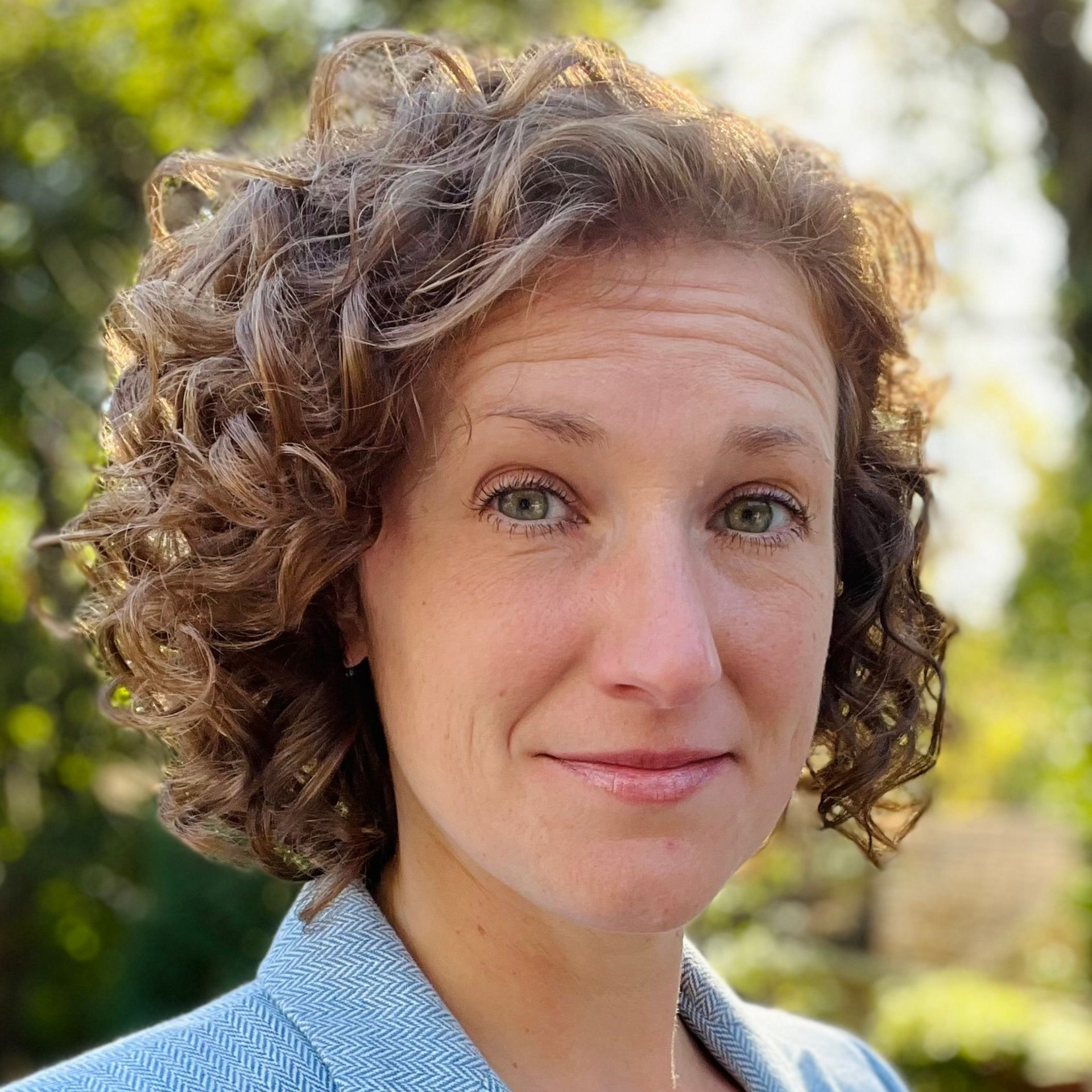
Trauma-Informed Advocacy Skills
Presented by Dr. Apryl Pooley | October 26 | 4:00 PM | Ballroom
Childhood trauma is common and can have lasting impacts on brain development and behavior, but with the right supports, children can exhibit significant resilience to trauma. However, many children experience re-traumatization when seeking help or engaging with the justice system when those systems are not operating in a trauma-informed way. When working with children and families who have experienced child abuse and neglect, it is critically important to use a trauma-informed approach to promote resilience and reduce the risk of re-traumatization. Every program and service system that impacts the lives of children can operate in a trauma-informed way, and trauma-informed advocacy works to restore a survivor’s sense of safety, power, and worth. This 75-minute training session will discuss what it means to be trauma-informed and why it is critically important for promoting resilience and reducing re-traumatization. Then, we will review the six principles of a trauma-informed approach and examples of how individual advocates can practice each, including how to talk with children and caregivers about trauma, how to respond to trauma reactions, and measures advocates can take to prevent re-traumatization.
CEU & SCECH Eligible
About Apryl Pooley, PhD
Dr. Apryl Pooley is a trauma consultant, trainer, and qualified expert witness who holds a PhD in Neuroscience from Michigan State University where she researched the neurobiology of trauma and published research on the therapeutic efficacy of neurofeedback and yoga in trauma survivors. Dr. Pooley is currently the Director of Training and Technical Assistance for the Michigan Victim Advocacy Network, a project that supports crime victim advocates across the state. Dr. Pooley has trained a wide range of community service providers on the neurobiology of trauma, trauma-informed approaches, vicarious trauma, and more—with a goal of helping services become more trauma-informed, survivor-centered, and sustainable for those who do this work.
Breakout Sessions
SESSION I: MONDAY, OCTOBER 26 2:30-3:45PM
Deal or Disconnect:
A Simulation on Sibling Placement Decisions in Foster Care
Presented by Isabel Stasa | [location TBD]
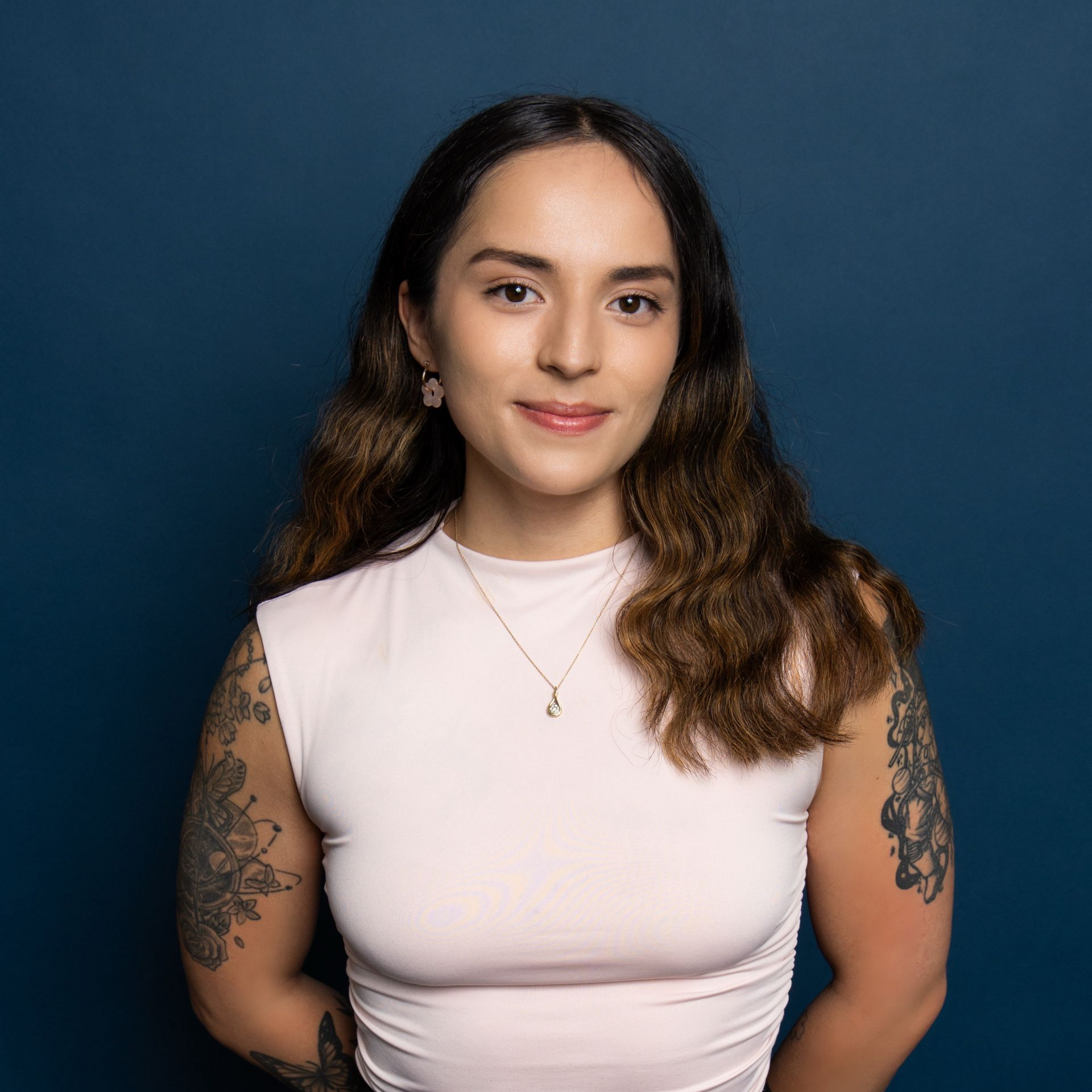
Every day, CASA volunteers influence and child welfare professionals make decisions, or witness decisions being made, that shape whether siblings stay together or are separated. But what does it feel like to be inside that system? And what does it cost when siblings are separated?In this workshop, participants will play "Deal or Disconnect," a live card game simulation designed by former foster youth themselves to replicate the real constraints and decision points that come up when navigating sibling placements in foster care. The game is not designed to be winnable as it mirrors the resource shortages, competing priorities, and systemic pressures that practitioners already know. After gameplay, participants debrief together, hear directly from a foster alumna whose siblings were separated when she entered care, and leave with concrete tools for advocating for sibling connection in their own role.This session is facilitated by Isabel Stasa, MPA, foster care alumna in Michigan and Director of Programs at the National Network for Fostering Sibling Connections. The simulation was developed with foster alumni with direct lived experience of sibling separation at the center of its design.
CEU & SCECH Eligible
About Isabel Stasa
Isabel Stasa, MPA, co-founding member and Director of Programs at the National Network for Fostering Sibling Connections is a radically empathetic leader who translates her lived experience in foster care into systemic reform and cross-sector social justice. Separated from her siblings when she entered foster care at 13, Isabel began advocating locally on the importance of sibling relationships. Her time working in the United States Senate saw her draft pivotal legislation protecting sibling relationships as a direct outcome of her personal experience. Her commitment to embedding lived expertise in governance is further demonstrated through her leadership with the Congressional Coalition on Adoption Institute and her service on the National Foster Care Youth & Alumni Policy Council.
Bridging the Gap between CACs and CASA: Supporting Children After Sexual Abuse
Presented by Adrienne Bailey | [location TBD]
This training provides participants with a foundational understanding of child sexual abuse and the critical role Children's Advocacy Centers (CACs) play in supporting children and families throughout the investigation, treatment, and healing process. Participants will explore the landmark Adverse Childhood Experiences (ACEs) study and examine the long-term impact that childhood sexual abuse can have on physical health, mental health, and overall well-being. The training will conclude with three practical, trauma-informed tools that professionals can immediately incorporate into their work with children who have experienced sexual abuse, helping to foster safety, regulation, and resilience.
CEU & SCECH Eligible
About Adrienne Bailey
Adrienne Bailey is the Clinical Manager at the Ottawa Children's Advocacy Center. She has over 20 years of experience in the Victim Services field. She is a Licensed Clinical Social Worker and has worked with both adult and child survivors of domestic and sexual violence, both as an advocate and therapist. She is trained in many evidence-based clinical treatment models, including EMDR and TF-CBT, along with other expressive treatments. Adrienne loves working with people one-on-one and getting to witness their healing from trauma.
Maintaining Family Roots
Presented by Amy Bailey | [location TBD]
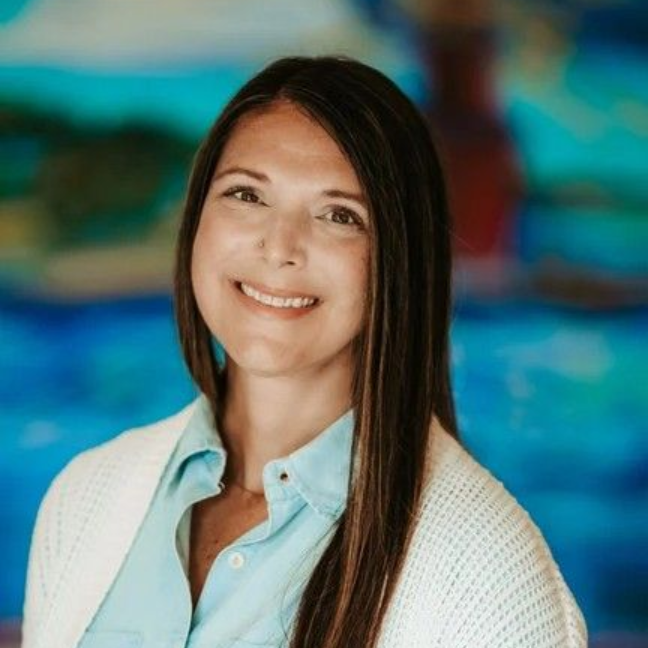
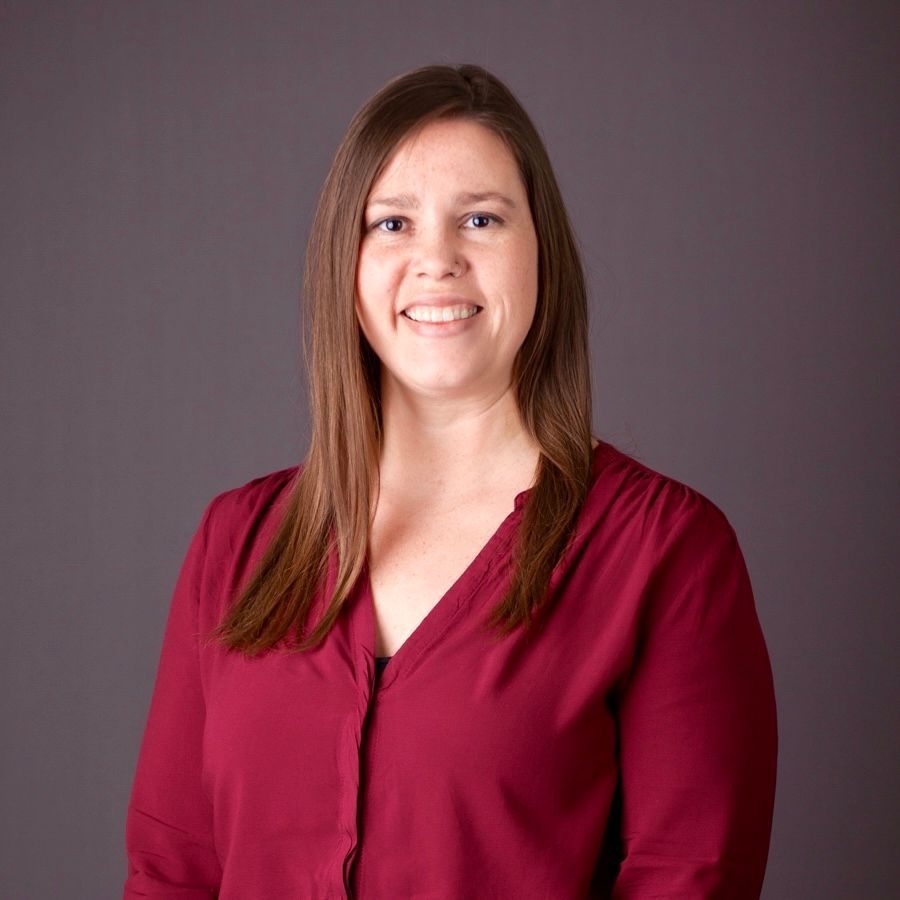
Children involved with the child welfare system often become unrooted and disconnected, whether intentionally or unintentionally. Helping children maintain their roots allows them to heal and thrive. This training will focus on specific ways that CASA volunteers in particular can assist children in maintaining and re-establishing these roots.
CEU & SCECH Eligible
About Amy Bailey
Amy Bailey has 26 years of child welfare experience and is a licensed master’s level social worker. She also has the privilege of having been a licensed foster parent for seven years and an adoptive parent. Amy believes that families hold within themselves the power to heal and overcome obstacles in their lives. She sees the role of the child welfare system as not being there to “fix” families, but rather to walk alongside children and families to ensure their stories are told and respected throughout the process and to empower families to use their own experiences to learn, grow, and heal.
About Andrew Carrell
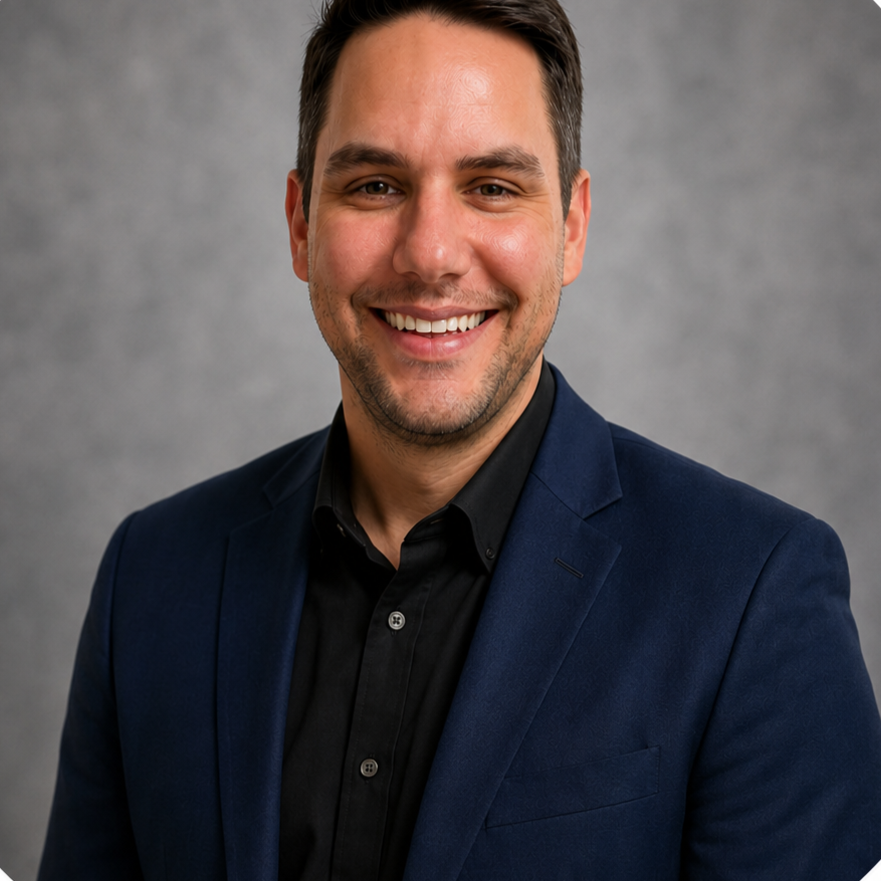
Andrew Carrell, LMSW, is a Licensed Master Social Worker with nearly a decade of experience serving marginalized and vulnerable populations. He earned a Bachelor of Arts in Criminal Justice from Gonzaga University and a Master of Social Work from Loyola University Chicago. Andrew has worked across schools, correctional settings, and programs supporting youth and young adults experiencing homelessness and housing instability. For the past five years, he has provided leadership and supervision to direct care staff, case managers, and clinicians. His work is grounded in trauma-informed, strengths-based practice, with a focus on leadership development, staff support, and equitable access to mental health care.
About Sarah Tyria-Walsh
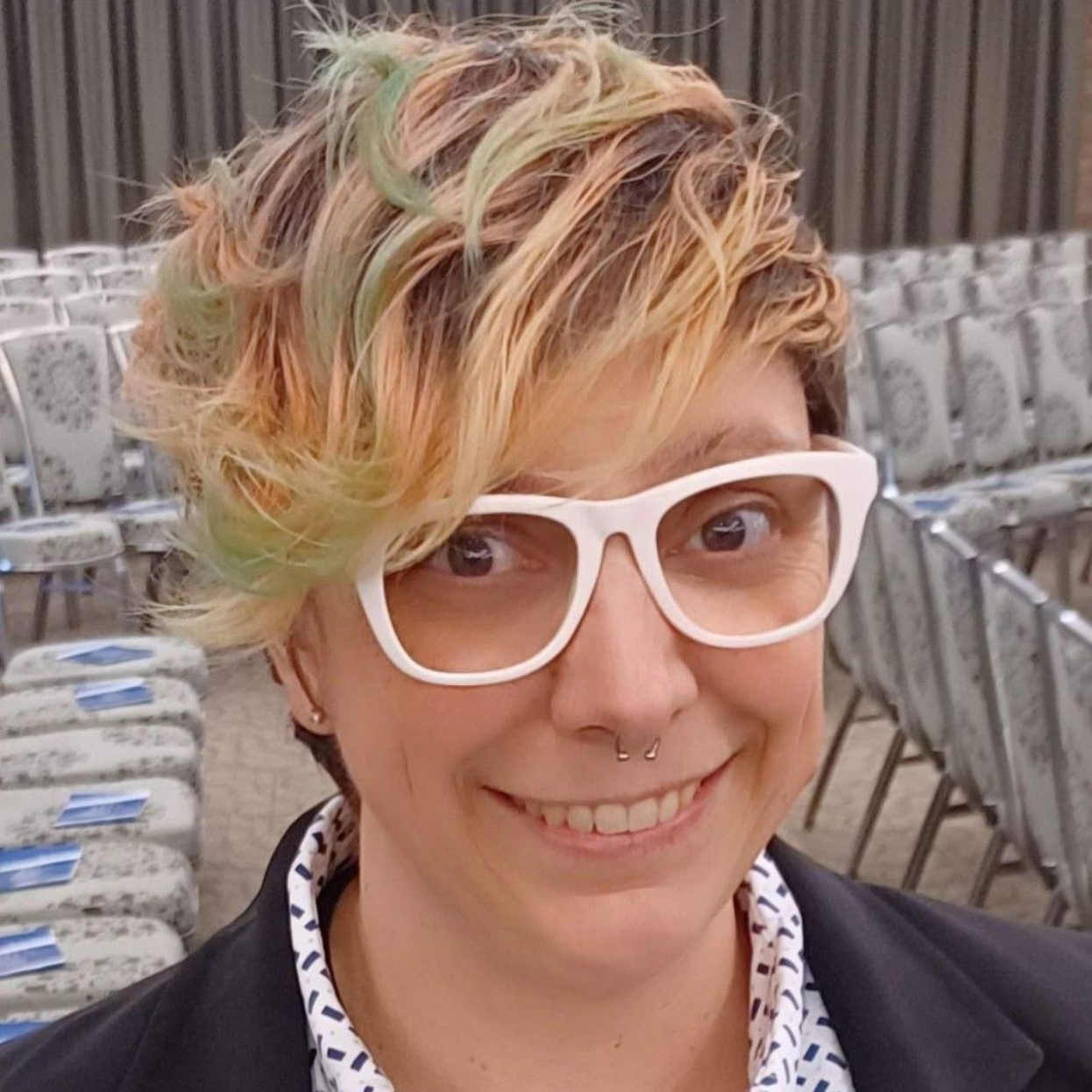
Sarah Tyria-Walsh, LLMSW, is a Limited Licensed Master Social Worker providing trauma-informed, evidence-based services to children, adolescents, and families. They earned a Bachelor of Social Work from Grand Valley State University and a Master of Social Work from the University of Michigan. With specialized experience supporting LGBTQ+ individuals, Sarah has completed training in the full suite of evidence-based AFFIRM interventions. Their clinical practice integrates a variety of evidence-based approaches grounded in strengths-based, person-centered care to meet the needs of each client. Sarah is passionate about translating best practices into practical strategies that empower clinicians, educators, caregivers, and community partners.
From Understanding to Action: Supporting LGBTQIA2S+ Youth and Families
Presented by Andrew Carrell & Sarah Tyria-Walsh | [location TBD]
LGBTQIA2S+ youth often navigate unique challenges related to identity development, social acceptance, and access to supportive environments. Research consistently demonstrates that affirming adults play a critical role in promoting positive mental health outcomes and overall well-being for these young people. People in helping roles are often expected to provide affirming support without having received training on terminology or the factors that contribute to positive outcomes for LGBTQIA2S+ young people.
This interactive presentation will provide participants with a foundational understanding of common LGBTQIA2S+ terminology. Attendees will explore current research and best practices for supporting LGBTQIA2S+ youth across home, school, and community settings. Through interactive learning activities, participants will develop practical strategies for fostering affirming and inclusive environments. The session will also examine the impact that affirming individuals can have on the safety, well-being, and long-term outcomes of LGBTQIA2S+ youth. Participants will leave with increased confidence, knowledge, and actionable tools to support LGBTQIA2S+ young people in their professional and community roles.
CEU & SCECH Eligible
SESSION II: TUESDAY, OCTOBER 26 | 10:00 - 11:15AM
The CASA's Opportunity: Bringing HOPE to Hard Places
Presented by Sharon Norman | [location TBD]
Children involved in the child welfare system often carry stories marked by adversity, loss, and uncertainty—but trauma is not the whole story. Research shows that positive childhood experiences and supportive relationships can help buffer the effects of adversity and build resilience. This session introduces the HOPE (Healthy Outcomes from Positive Experiences) Framework, a strengths-based approach that answers the question: What helps children heal and thrive? Participants will explore HOPE’s four building blocks—relationships, safe environments, engagement, and emotional growth—and discover practical ways CASA volunteers can intentionally bring HOPE into hard places through everyday moments of connection, advocacy, and presence. Because sometimes, one caring adult can help change a child’s story.
CEU & SCECH Eligible
About Sharon Norman
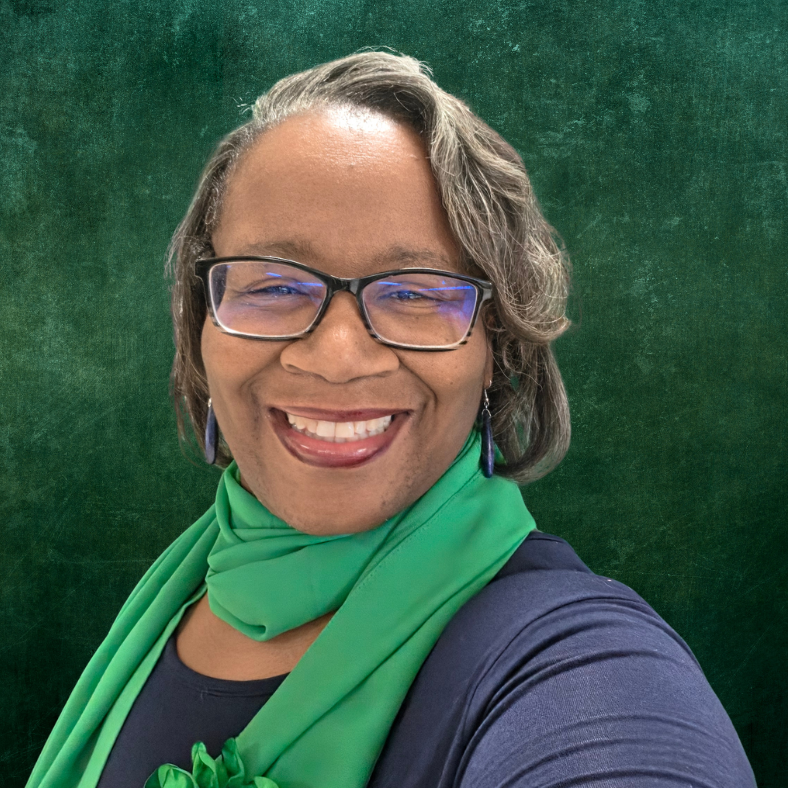
Sharon Norman is a wife, mother, and passionate advocate for children and families, serving as the Director of Child Abuse Prevention Education at the CAN Council Great Lakes Bay Region. She leads primary prevention efforts focused on strengthening families, building protective factors, and creating safe, supportive environments where children can thrive. Sharon is especially passionate about integrating the HOPE (Healthy Outcomes from Positive Experiences) framework into prevention work, helping communities recognize the power of positive experiences to promote resilience and healing. She is currently pursuing her Doctorate in Prevention Science and is committed to advancing prevention efforts that create lasting impact for children and families.
The Real-Time Advocate: Co-Creating Tools for Child-Centric Recommendations
Presented by Beth Batts | [location TBD]
A CASA volunteer’s primary duty is to provide objective, child-centric recommendations to the court. However, compiling a comprehensive court report requires gathering insights within tight timeframes from busy stakeholders (therapists, caseworkers, foster parents, and biological families) who each view "best interest" through distinct professional lenses. This fast-paced, interactive workshop functions as an accelerated "Design Lab" where participants spend less time listening and more time actively engineering practical field tools. Grounded in the core volunteer training, the session bridges communication barriers by introducing parallel thinking and root-cause inquiry to uncover system alignments. Using realistic, developmentally diverse case scenarios, advocates will collaboratively build a live verbal script to navigate high-stakes ethical dilemmas, such as supporting a child's voice without directing it or letting adult systemic anxieties cloud the youth's space. Attendees will leave with a robust, custom framework they personally constructed to maintain professional alliances while fiercely protecting the child's voice in their daily advocacy.
SCECH Eligible, CEU Ineligible
About Beth Batts
Beth is the President & CEO of Batts & Associates. She is an accomplished professional with a distinctive educational background and a passion for enabling individuals and teams to achieve their objectives.
She holds a Master of Arts degree from Cornerstone University and has undertaken additional Master's level studies in autism under the guidance of Dr. Marion Boss. Her internship at the Balmyer House in Alloa, Scotland, provided her with a unique perspective on neurodiversity. Through her extensive experiences, Beth has built a solid foundation in training program development, instructional design, and quality standards.
Starting her career as an educator of individuals with disabilities, Beth developed her expertise in innovative curriculum development and inclusive learning theories. Today, she applies these principles to her work in various capacities, whether developing training programs, facilitating leadership cohorts, or leading a team towards their collective goals, while instilling the importance of cultural awareness.
With her diverse background spanning school systems, corporations, manufacturing, and healthcare, Beth brings a wealth of experience and a breadth of knowledge to every project she undertakes. Her energy and determination are evident in her dedication to empowering others and acting as a catalyst for change.
Beth also serves as the Host of the Professionally Speaking podcast. Learn more at about the podcast at www.prospeaking.buzzsprout.com or visiting the Podcast page of Batts & Associates’ website.
An avid lover of the outdoors, Beth finds inspiration in nature and is a lifelong learner, continually seeking ways to improve. She enjoys traveling and experiencing new cultures by immersing herself in local lifestyles.
Where Do You Belong? Building Belonging for Teens in Foster Care
Presented by Isabel Stasa | [location TBD]
Belonging is not a feeling that happens automatically. For teenagers in foster care, it is something the system often makes harder through placement changes, school transitions, family separations, and a daily experience of being in a home that is not quite yours. And yet belonging, the sense that you have a place, a people, and a self that is recognized, is one of the most powerful predictors of long-term wellbeing for young people aging through care.
This workshop will help CASA volunteers understand what belonging actually looks like for teens in foster care and what they can do to build it. This is an interactive activity based session with lots of fun incorporated alongside meaningful dialogue and learning.
Participants will leave with a clearer understanding of what belonging means to the teens they serve, practical strategies for building belonging in each of its dimensions, and tools for advocating within the child welfare system for placement and practice decisions that protect rather than erode a teenager's sense of home.
CEU & SCECH Eligible
About Isabel Stasa
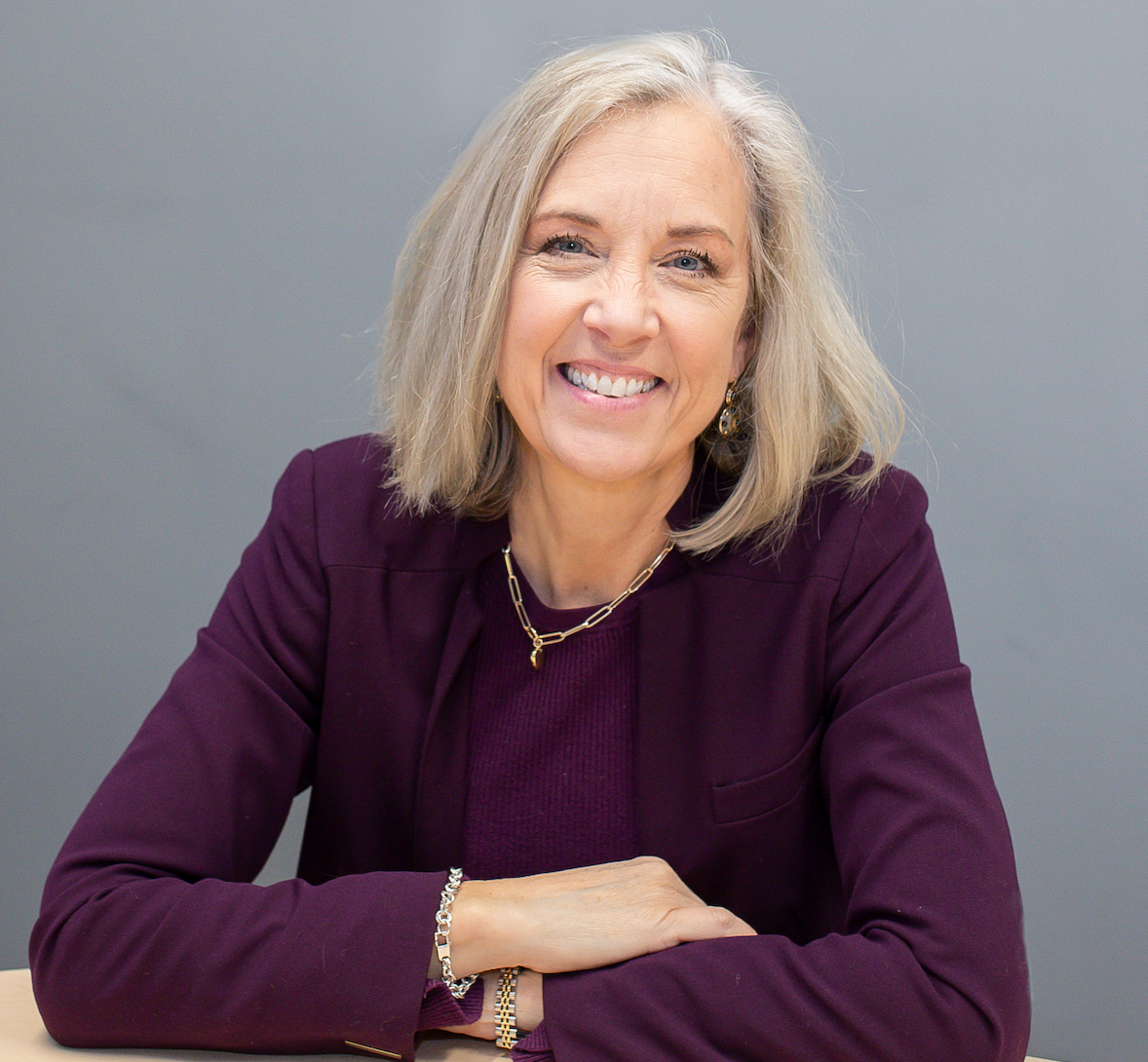
Isabel Stasa, MPA, co-founding member and Director of Programs at the National Network for Fostering Sibling Connections is a radically empathetic leader who translates her lived experience in foster care into systemic reform and cross-sector social justice. Separated from her siblings when she entered foster care at 13, Isabel began advocating locally on the importance of sibling relationships. Her time working in the United States Senate saw her draft pivotal legislation protecting sibling relationships as a direct outcome of her personal experience. Her commitment to embedding lived expertise in governance is further demonstrated through her leadership with the Congressional Coalition on Adoption Institute and her service on the National Foster Care Youth & Alumni Policy Council.
Rising in Inclusion & Belonging
Presented by Graci Harkema | [location TBD]
Graci Harkema’s inspirational, powerful, interactive, flagship workshop which meets you where you are in your journey to help you gain a deeper meaning of authenticity and belonging and how to be a more inclusive leader, caregiver, or parent. Participants will gain tangible tools to help us learn to check and recognize our biases to execute more intentional decision-making, and foster and more inclusive environment, where everyone can foster and exemplify belonging and authenticity.
CEU & SCECH Eligible
About Graci Harkema
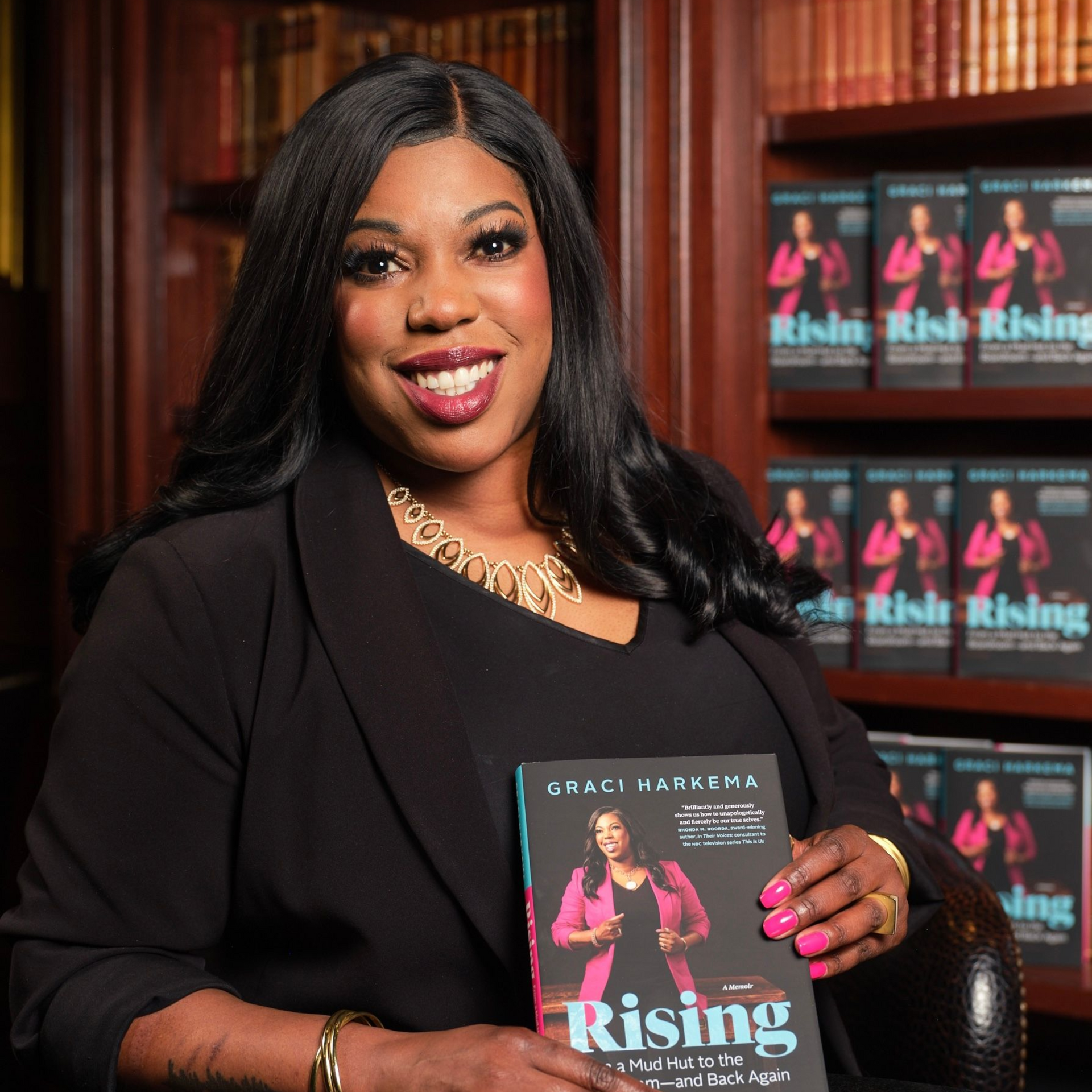
Graci Harkema is an international speaker, consultant, and best-selling author. She works with Fortune 500 corporations to small organizations on learning and organizational development, belonging, and leadership. She has been featured in global media outlets including Forbes, Harvard Business Review, and Medium. Crain's Grand Rapids Business has recognized Harkema as a five-time 200 Most Influential Business Leader in West Michigan, two-time 40 Under Forty Business Leader in West Michigan, and one of the 50 Most Influential Women in West Michigan. A graduate from Grand Valley State University, Harkema enjoys giving back to the community by volunteering with several committees.
TUESDAY, OCTOBER 26 | SESSION III
Conversational Strategies for Identifying & Resolving CASA Kids Needs
Presented by Sean Fisher Sr.
This breakout session is designed for CASA volunteers and other key partners who work directly with CASA kids. The focus of this session is to introduce conflict-resolution conversation strategies, specifically: distinguishing between Position and Interest, employing Restorative Practice-based Questioning, and using reframing/restating techniques to alleviate tension. These tools aim to help identify stakeholders' real needs and foster collaboration to develop a resolution plan.
The presentation will include a role-playing video that demonstrates these strategies in action. Attendees will then have the opportunity to participate in role-playing exercises and share their experiences. By the end of the session, participants will leave with practical skills applicable in Family Team Meetings (FTM), one-on-one conversations with CASA kids, and in facilitating discussions between key partners, such as caseworkers and foster parents.
CEU & SCECH Eligible
About Sean Fisher Sr.
Sean A. Fisher Sr. is a dynamic author, proud military veteran, and passionate advocate for children, with a robust background in education and conflict resolution. As the Chief Executive Officer and Owner of the Fisher Mediation Group, based in Michigan, he specializes in transforming workplace conflicts into opportunities for growth and collaboration. Additionally, he founded the Fisher Educational Consulting Group, a valuable resource for schools and educators throughout Michigan, empowering them to enhance teacher practices for students from PreK to 12th grade.
With a deep well of experience as a published author and certified civil mediator, Sean brings significant expertise in navigating conflicts across communities, workplaces, and various organizations. His impressive academic credentials include an Education Specialist degree, a Master's degree in Education, and a Bachelor's degree in Education, complemented by a post-master’s graduate certificate in Human Resource Management. This educational foundation supports his comprehensive approach to conflict resolution.
Sean is not only a trained leadership coach but also deeply committed to promoting evidence-based, research-backed best practices in educational environments. His extensive training includes various certifications in human resources and mediation, as well as a specialized Harvard program focused on leadership for equity in education. Beyond his professional achievements, Sean serves as a board trustee for a nonprofit dedicated to improving educational outcomes for children, demonstrating his sincere commitment to making a difference.
With over 20 years of public service experience, Sean has transitioned from being a proactive school administrator to an entrepreneurial leader and influential writer. His educational journey began with managing complexities among educators and bridging communication with parents, where he discovered the intricacies of conflict dynamics. He is also a Court-Appointed Special Advocate (CASA), proudly supporting children in the social service system.
Sean's expertise grew significantly during his tenure in human resources within the education sector, where he deftly resolved intricate conflicts. With over a decade of experience in workplace conflict resolution, he has refined his skills in guiding teams and leading organizations effectively and compassionately. As a skilled mediator, he employs innovative techniques to facilitate constructive dialogue and foster understanding among individuals.
Renowned as a speaker, presenter, and facilitator in conflict resolution and organizational leadership, Sean is frequently invited to share his insights and strategies at various events. He is deeply committed to creating inclusive environments where everyone can thrive, particularly those from underrepresented backgrounds. Through collaboration and open communication, Sean Fisher strives to inspire and uplift those around him, making a lasting impact in every endeavor.
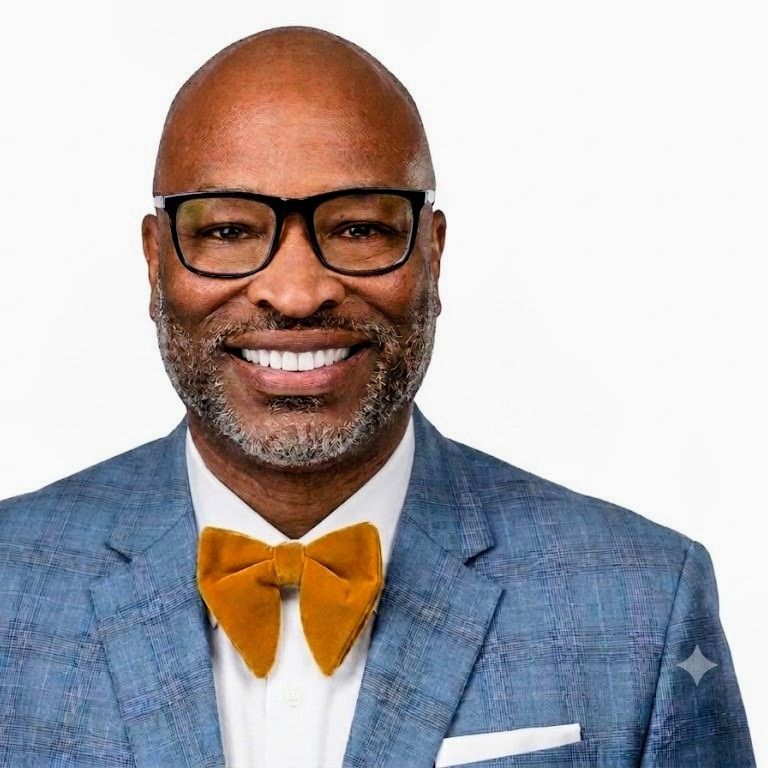

About Sarah Goad
Sarah Goad has worked in the child welfare field for over 30 years through direct service provision and supervision, advocacy, training, consultation, and administration; both in the public and private sector. She received her Bachelor of Social Work from Saginaw Valley State University and her Masters of Social Work from the University of Michigan. Sarah has presented nationally and internationally on various child welfare topics. Currently, Sarah is the State Administrative Manager for Foster Care, Older Youth, and Education Programs at the Michigan Department of Health and Human Services.

About Brina Williams
Brina Williams is a nationally recognized child welfare advocate, consultant, and social worker. They are a two-time alumna of Western Michigan University, where they earned their Bachelor's and Master's degrees in Social Work, with a minor in Political Science and a concentration in policy, planning, and administration. Brina has been a devoted advocate for the last decade, committed to changing the systems and perceptions of foster care, mental health, LGBTQIA2S+, and many others. Brina has been the President of Ingham County's Michigan Youth Opportunities Initiative since 2019 and previously served on the Continuous Quality Improvement Focus Group for Foster Care in Ingham County. They served on the Board of Directors for the Association of Children's Mental Health from 2019 to 2023, are a member of Michigan's Statewide Youth Advisory Board for foster care, and are a member of the Leadership Corps for the National Foster Youth Institute Michigan Chapter. They have also served previously as an FSM Ambassador. Most recently, Brina joined the Fostering Success Coaching Institute (FSCI) Advisory Council as a Youth Representative and is working towards their Level 1 Coaching Certification through the FSCI. Brina is also an alum of FosterClub’s AllStar Internship, where they focused on further developing their relationship-building and leadership skills in the summer of 2023, and continues to partner with FosterClub, the American Public Human Services Association (APHSA), and Youth Villages as a Lived Experience Leader. They hope to use their lived experience to develop emerging leaders and advocates who are passionate about helping people and creating change.
Rights of Youth Experiencing Foster Care
Presented by Sarah Goad & Brina Williams
Youth experiencing foster care have rights that policy requires case managers share with them and their caregivers when they enter care, annually, and when changing caregivers. It is important that youth are aware of their rights and what they can do if they feel that their rights are not being observed. The Children’s Services Administration has been working on updating the rights documents, most notably removing responsibilities, in collaboration with a team of lived experts. In this session we will review the rights, policy regarding timeframes and responsibilities of case managers for sharing with youth, and the process we’ve engaged in to update the documents and develop dissemination plans.
CEU & SCECH Eligible
More Than a Statistic: The Human Impact of Racial Inequities in Child Welfare
Presented by Stacey Goodson
“More Than a Statistic: The Human Impact of Racial Inequities in Child Welfare” explores how systemic inequities, implicit bias, and disproportionality impact children, families, and communities involved in the child welfare system. This training moves beyond data alone to examine the lived experiences behind the numbers, highlighting how race and culture can influence decision-making, access to resources, permanency outcomes, and family engagement. Participants will engage in meaningful reflection and discussion while learning practical, equity-centered strategies that promote culturally responsive practice, strengthen relationships, and support more just and compassionate outcomes for children and families.
SCECH Eligible, CEU Ineligible
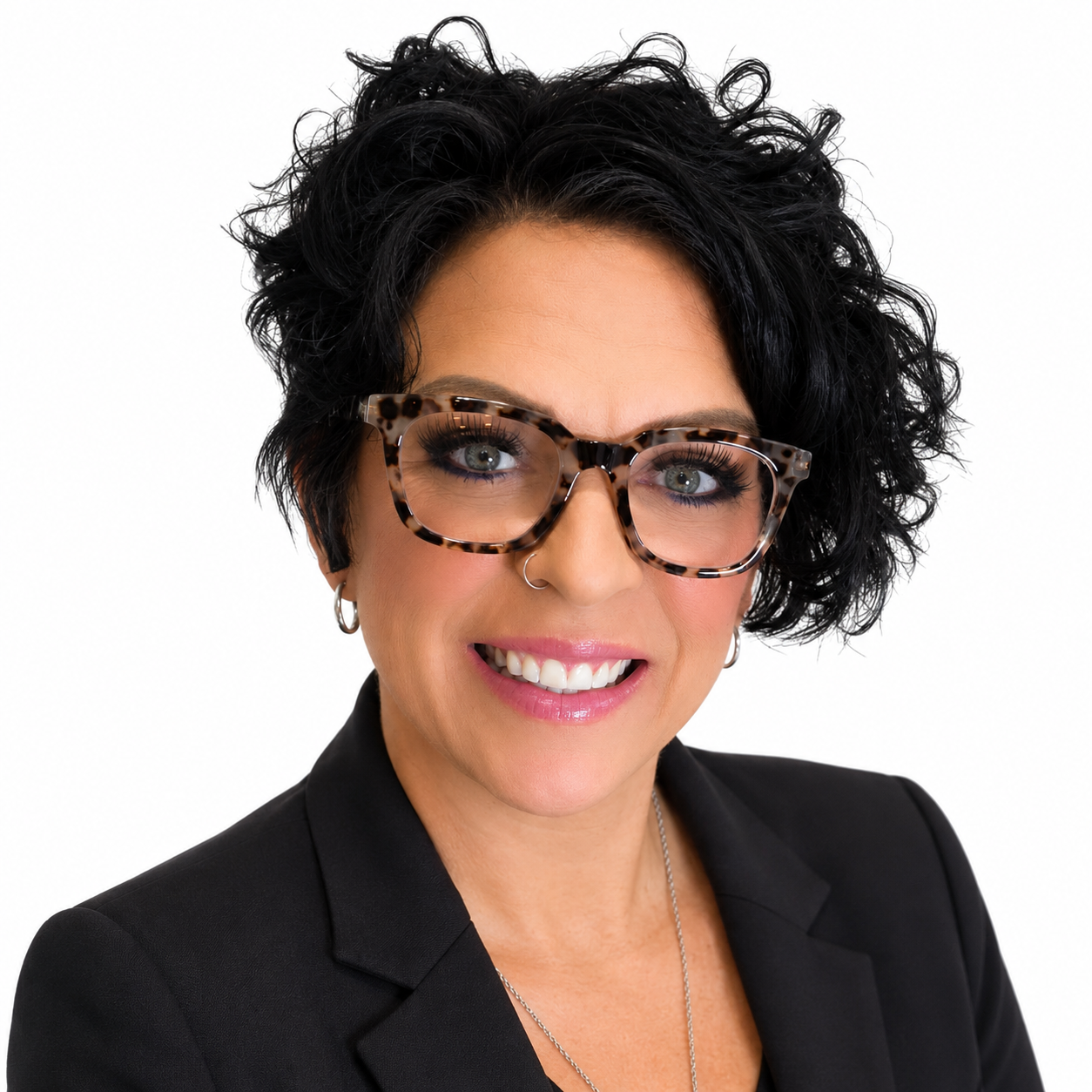
About Stacey Goodson
Stacey Goodson, MS, is a trainer, consultant, speaker, and author with more than fourteen years of experience in child welfare and family support services. She specializes in trauma-informed care, behavior management, racial equity, foster care, and cross-cultural parenting. Stacey is the author of *Triple Threat: Teenagers, Talking, and Trauma* and provides engaging trainings for child welfare professionals, educators, caregivers, and community organizations nationwide. She currently serves on Michigan’s Governor’s Task Force on Child Abuse and Neglect and is passionate about helping families and professionals better understand behavior, build connection, and support healing through practical, relationship-centered strategies.
Healing Connections: From Trauma to Resilience
Presented by Jerica Sharp
Children and families involved in the child welfare system often face the lasting impacts of trauma, adversity and disrupted relationships. This engaging and interactive training explores how healing-centered, trauma-informed connections can foster resilience and support positive outcomes for children and families. Participants will gain a deeper understanding of how trauma affects the brain, behavior, and relationships, while learning practical strategies to build trust, promote emotional safety, and strengthen protective factors. Through research-based insights, real-world examples, and actionable tools, attendees will leave equipped to create meaningful connections that support healing, resilience, and hope in their advocacy and professional practice. Drawing from both professional experience in child welfare and specialized training in trauma and resilience, the presenter bridges research and practice to provide tools that can be immediately applied in CASA advocacy and child-serving work.
CEU & SCECH Eligible
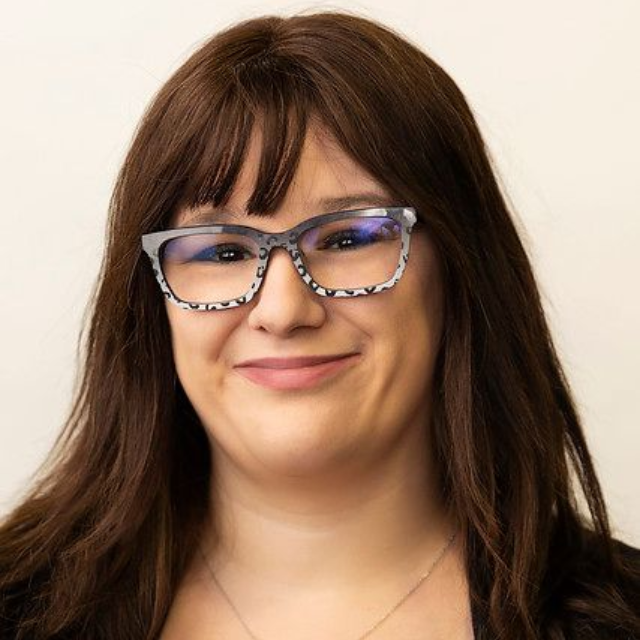
About Jerica Sharp
Jerica Sharp is the founder of Empowering Healing Through Connections, LLC., a trauma-informed training organization dedicated to building resilience through connection. She holds an MBA and is currently pursuing a master's degree in Trauma and Resiliency in Education. As a CASA Director and advocate for children and families involved in the child welfare system, Jerica brings both professional expertise and live experience to her work. She is also the author of Before The Storm, After The Fire, a memoir focused on healing, resilience, and reclaiming one's voice after childhood trauma.
Partners in Advocacy: A Judicial Roundtable on CASA and the Courts
Partners in Advocacy: A Judicial Roundtable on CASA and the Courts, moderated by Michigan CASA President & CEO Susanna G. Patterson, brings together judicial leaders to discuss the vital partnership between CASA and the courts. The conversation will highlight opportunities to strengthen collaboration and advocacy for children and families. Attendees will gain insight into building stronger court-CASA partnerships and improving outcomes for children.
CEU & SCECH Ineligible
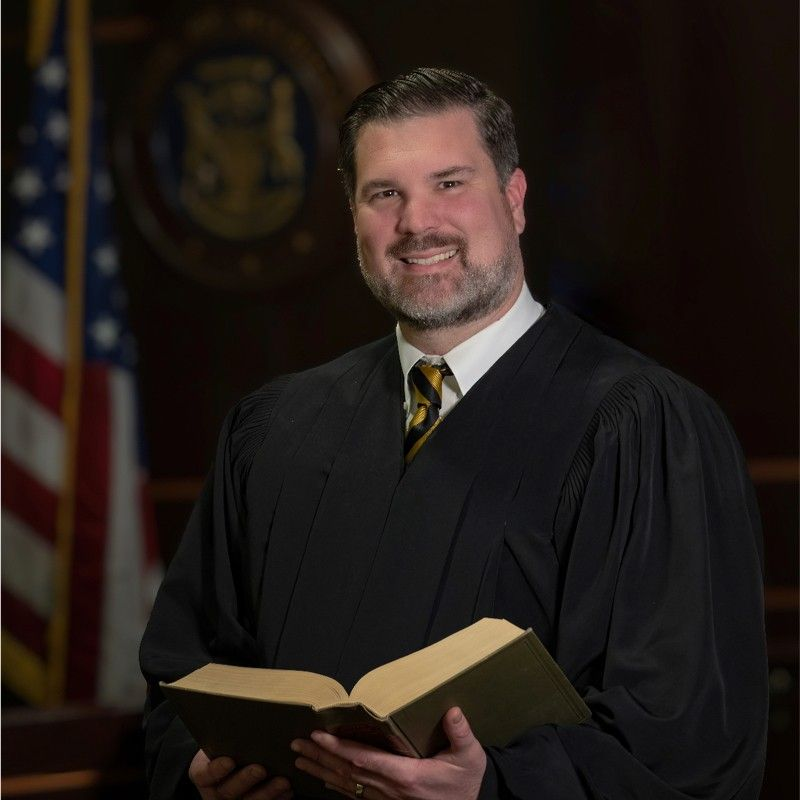
Hon. Paul F. Kraus, 20th Circuit Court, Ottawa County
Hon. Paul F. Kraus has served as a Circuit Court judge since January 1, 2023. Assigned to the Family Division in Ottawa County, he presides over adoptions, child abuse and neglect, juvenile delinquency, divorce, and other domestic matters. Before taking the bench, Judge Kraus served with the Ottawa County Prosecutor’s Office, where he led the family unit and handled felony child abuse cases. Earlier, he practiced family and criminal law in Holland and served as Deputy Holland City Attorney. He began his career with the Iowa Department of Justice, serving nearly 10 years as an Assistant Attorney General handling more than 900 abuse and neglect cases and providing counsel to the Iowa Department of Health and Human Services. Judge Kraus remains active in many professional, civic, and youth organizations.
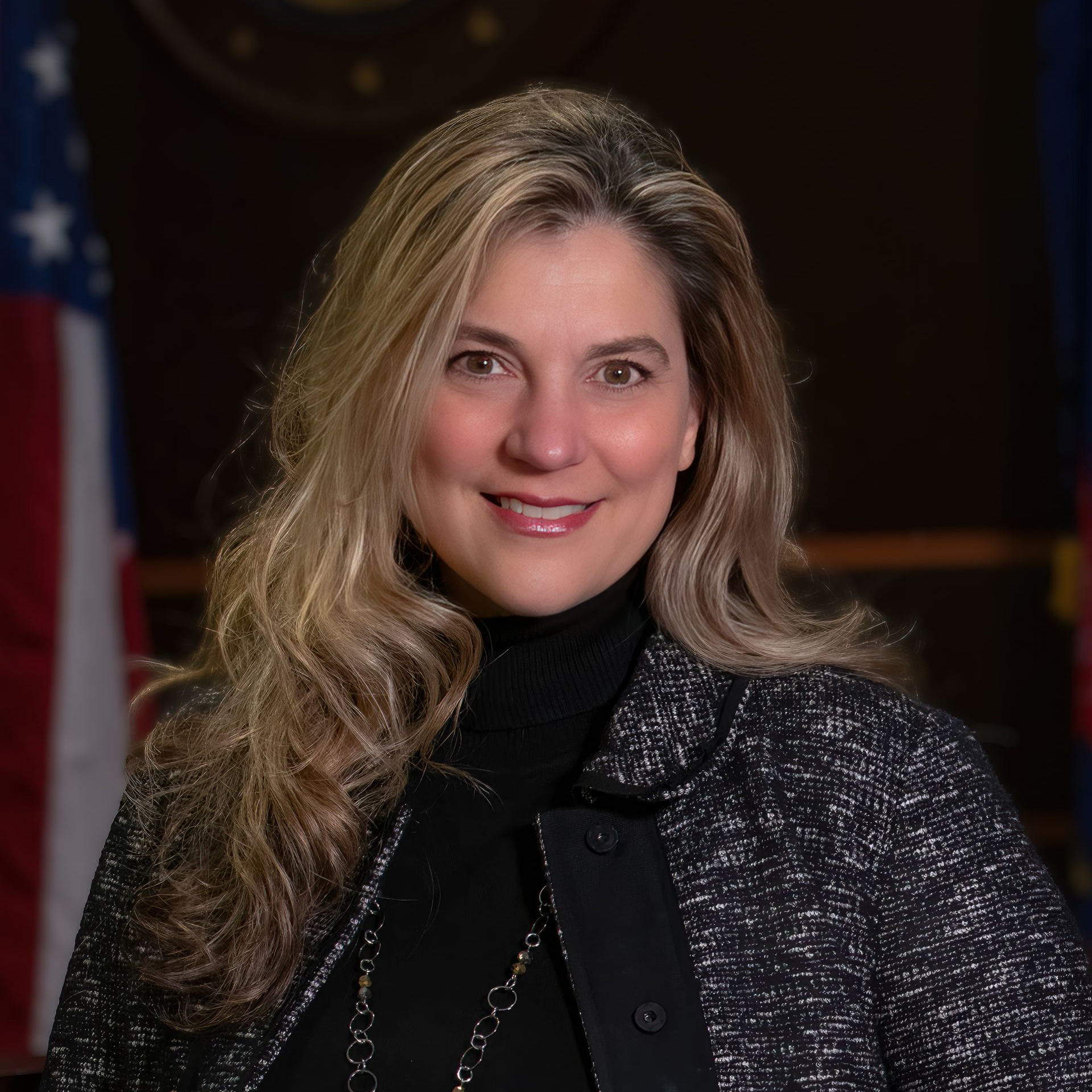
Ref. Erin Magley, 20th Circuit Court, Ottawa County
Erin Magley is a Referee in Ottawa County hearing cases involving domestic relations, juvenile delinquency, and child welfare. A graduate of Wittenberg University and Harvard Law School, she was a litigator before being appointed Referee in 2001. Erin has spent her career and volunteer time seeking ways to help families facing difficult circumstances, including serving as a CASA in Kent County, volunteer mediator in both domestic and child welfare cases, sponsor for refugee families, and other pro bono and volunteer work. She has served on executive Boards of organizations like Wedgwood, Ottawa County Bar Association, Referee's Association, and presented at trainings for lawyers and judges.
Hon. Kent D. Engle, 20th Circuit Court, Ottawa County
Hon. Kent D. Engle was elected to the bench in November 2010 and began serving as judge on January 1, 2011. Judge Engle is responsible for a diverse Family Division docket, including domestic relations, juvenile, and child welfare cases. He began his career in Ottawa County as an assistant prosecuting attorney in 1988, handling cases ranging from traffic citations to homicides. He received his JD from the University of Detroit Law School in 1979.
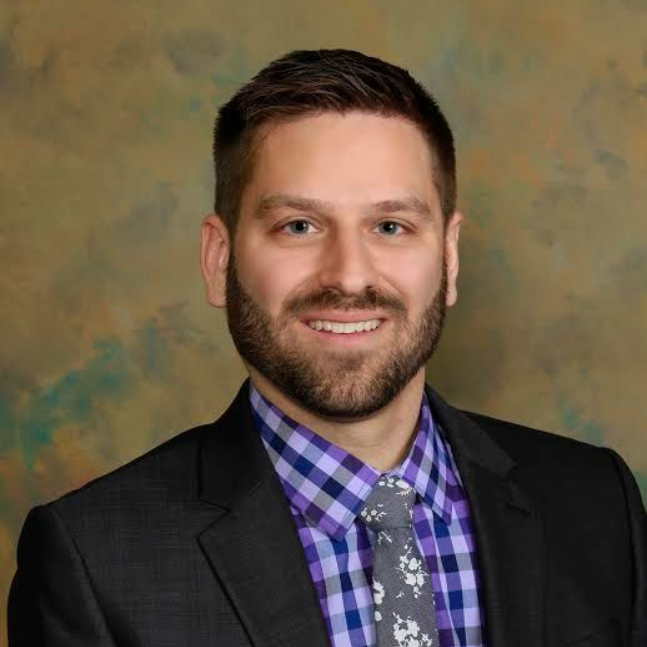
Ref. Peter M. Kulas-Dominguez, 17th Circuit Court, Kent County
Peter Kulas-Dominguez is an Attorney/Referee with the 17th Circuit Court Family Division, bringing nearly 17 years of family law experience to the bench. He has served as an Attorney/Referee for five and a half years, following 11 years in private practice focused on divorce, nonmarital domestic relationships, and adoption matters. He is a member of the Grand Rapids Bar Association and formerly served on councils for the State Bar of Michigan LGBTQA Law and Family Law Sections. His professional recognition includes the Grand Rapids Bar Association’s 3 in 10 Award and selection as a Michigan Super Lawyers Rising Star.
Optional Evening Session
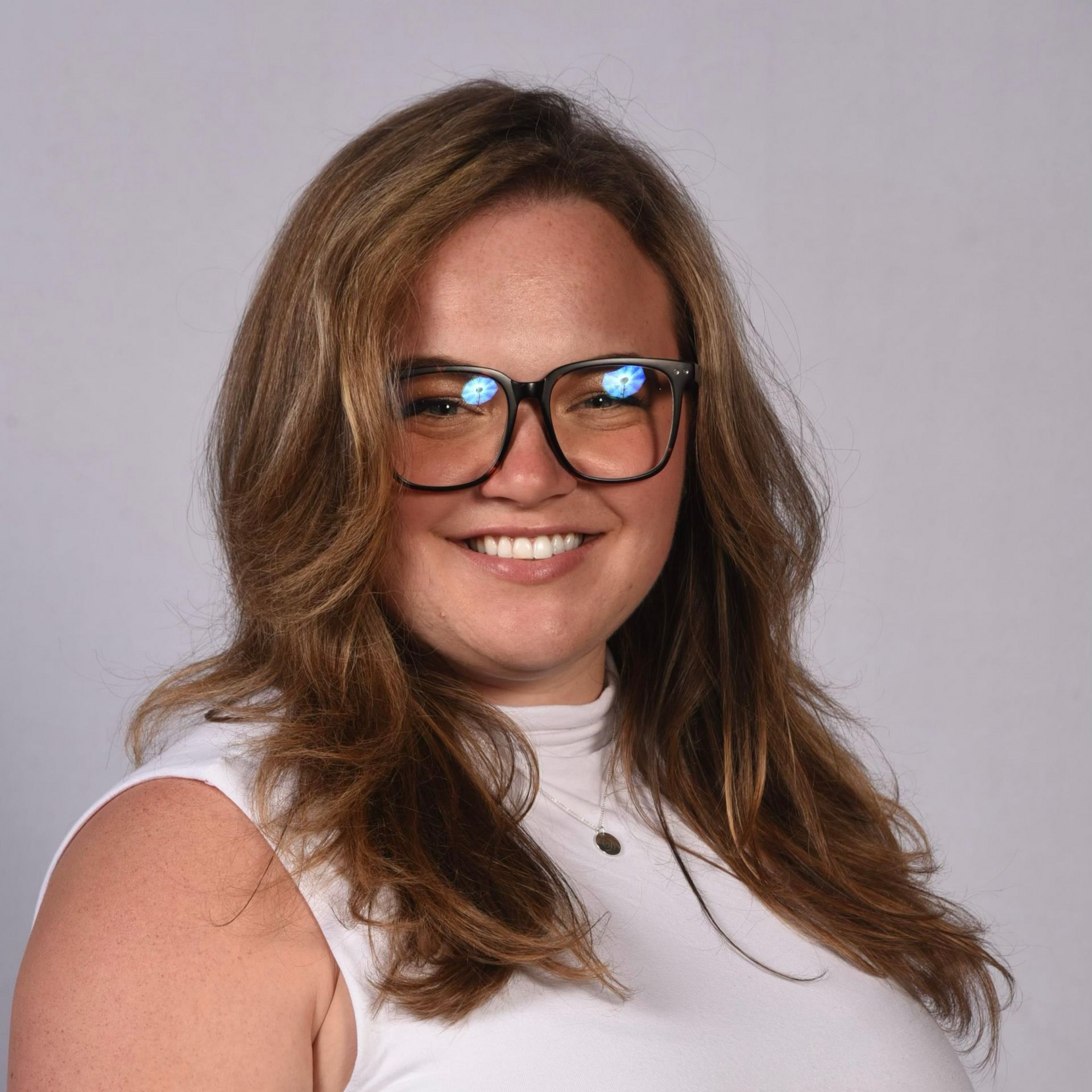
Trauma-Informed Yoga for Self Care
Presented by Molly Ellsworth | Monday, Oct 26 | 8:00-9:00PM [location TBD]
The session will begin with a 15-minute presentation on how to create a yoga and mindfulness practice, the benefits of building a personal practice, and will highlight key differences between "regular" yoga and trauma-informed practice for application with youth in the foster care setting. Participants will then have the chance to experience a trauma-informed yoga flow, accessible to all levels from beginners to experts. The session will culminate in gathering tools and building a personal plan for incorporating mindful movement into your self-care practice.
CEU & SCECH Ineligible
About Molly Ellsworth
Molly is a trauma-informed educator, 200hr Certified Yoga Teacher, and has been a CASA volunteer for 3 years. Yoga is an essential component of her self-care regimen as both an educator and CASA. By implementing breathwork, mindfulness, and a consistent personal yoga practice, she stays resilient through all of the challenges these roles bring. She is looking forward to sharing the transformative power of trauma-informed yoga with participants at the Michigan CASA Conference.